
MMA
Can You Headbutt in MMA?
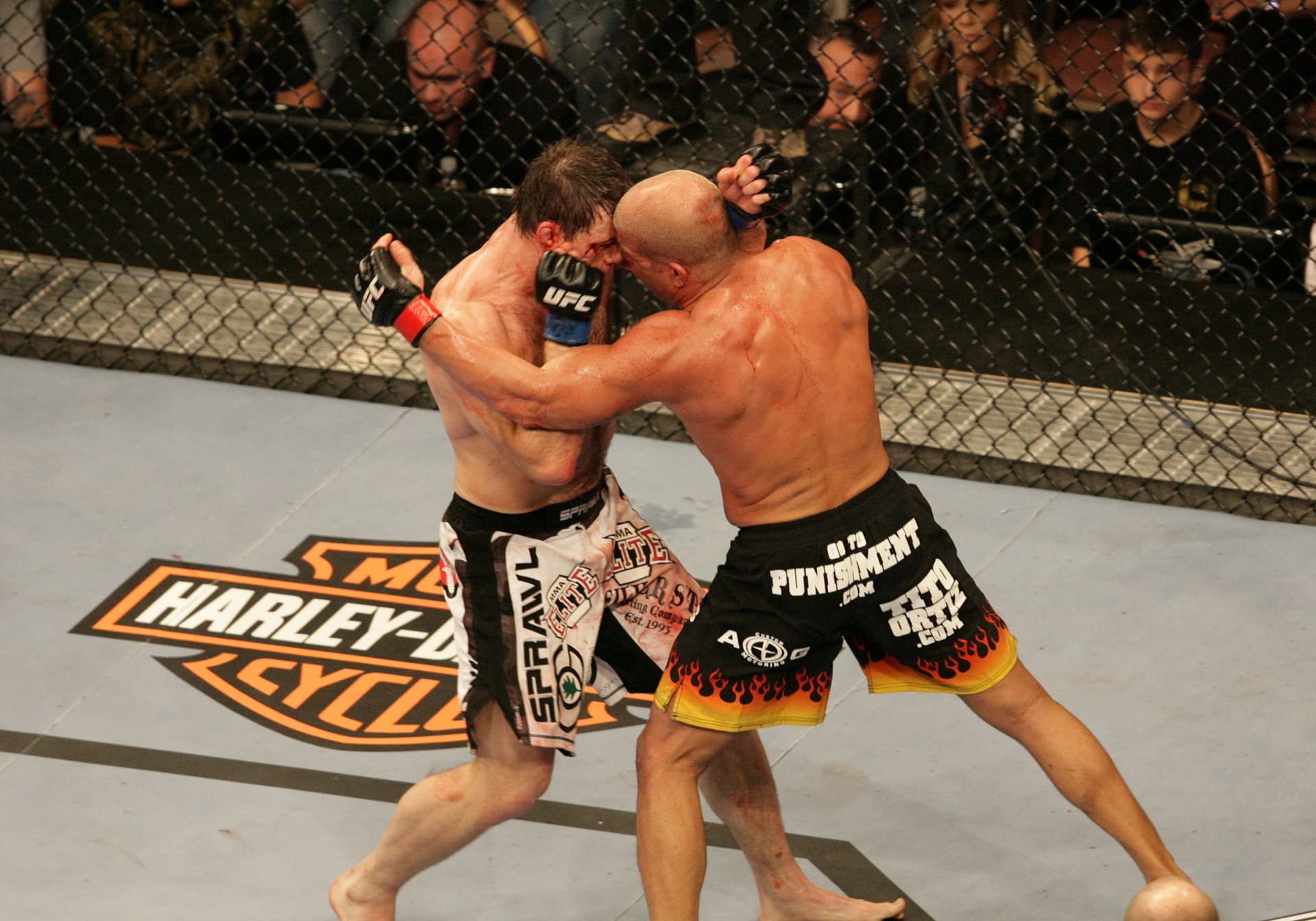
At one point in time, headbutting was allowed in MMA until the introduction of the Unified Rules, and the popularity of the sport grew, thanks to Dana White and the Fertitta brothers.

Marc J Sanchez/Icon SMI/Icon Sport Media via Getty Images
 1
1- Over 50 sports markets with several niches
- Live streaming and in play offering
- Over 50 sports markets with several niches
- Live streaming and in play offering
- Over 50 sports markets with several niches
- Live streaming and in play offering
 22
22- Weekly raffles
- Great reward system
- Weekly raffles
- Great reward system
- Weekly raffles
- Great reward system
 3
3- Extensive selection of games
- User friendly interface
- Extensive selection of games
- User friendly interface
- Extensive selection of games
- User friendly interface
Mixed Martial Arts is one of the most unique sports in the world because it is a blend of various disciplines, so the rules are limited to a certain extent.
Punching, kicking, knees, elbows and shoulder strikes are all legal, however, one strike which is illegal is headbutting. The Unified Rules of MMA, which were introduced in the early 2000's, banned the ability to headbutt, but back in MMA's early days it was a strike that you could use in some states and companies.
History of Rules in MMA
The early period of the sport, between the early 90's and late 90's, had a very limited rule set. The first UFC fight took place in 1993, and there were virtually zero restrictions to fighters. You could fight dirty by headbutting and even kneeing or kicking a downed opponent. This led to people being concerned regarding the professionalism and rules of the sport, thus creating a bad reputation for MMA and the UFC.
However, between the late 90's and the early 2000's the sport began to publish more rules and regulations, and as such the UFC and the sport in general began to gain some momentum with athletic commissions. The introduction to the Unified Rules of MMA, in 2000, helped the sport improve their popularity as more people noticed the increased focus on fighter safety and a professional aspect. Weight classes were introduced to the sport, the number of rounds and duration were introduced, and certain strikes and techniques were officially made illegal. Headbutting was banned, downward elbows to grounded opponents were banned, eye pokes and biting were also banned.
Since the year 2000, the sport has grown incredibly, thanks to the rise of the Ultimate Fighting Championship, mainly due to Dana White and the Fertitta brothers, who took over the now billionaire company back in 2001.
Under the guidance of Dana White, as the president of the UFC, the company and sport underwent a total transformation. One of the first key moves was to standardise rules, making the sport safer and more watchable to a wider audience, so they adopted the Unified Rules.
Would the UFC Be Where it is Today Without the Unified Rules of MMA?
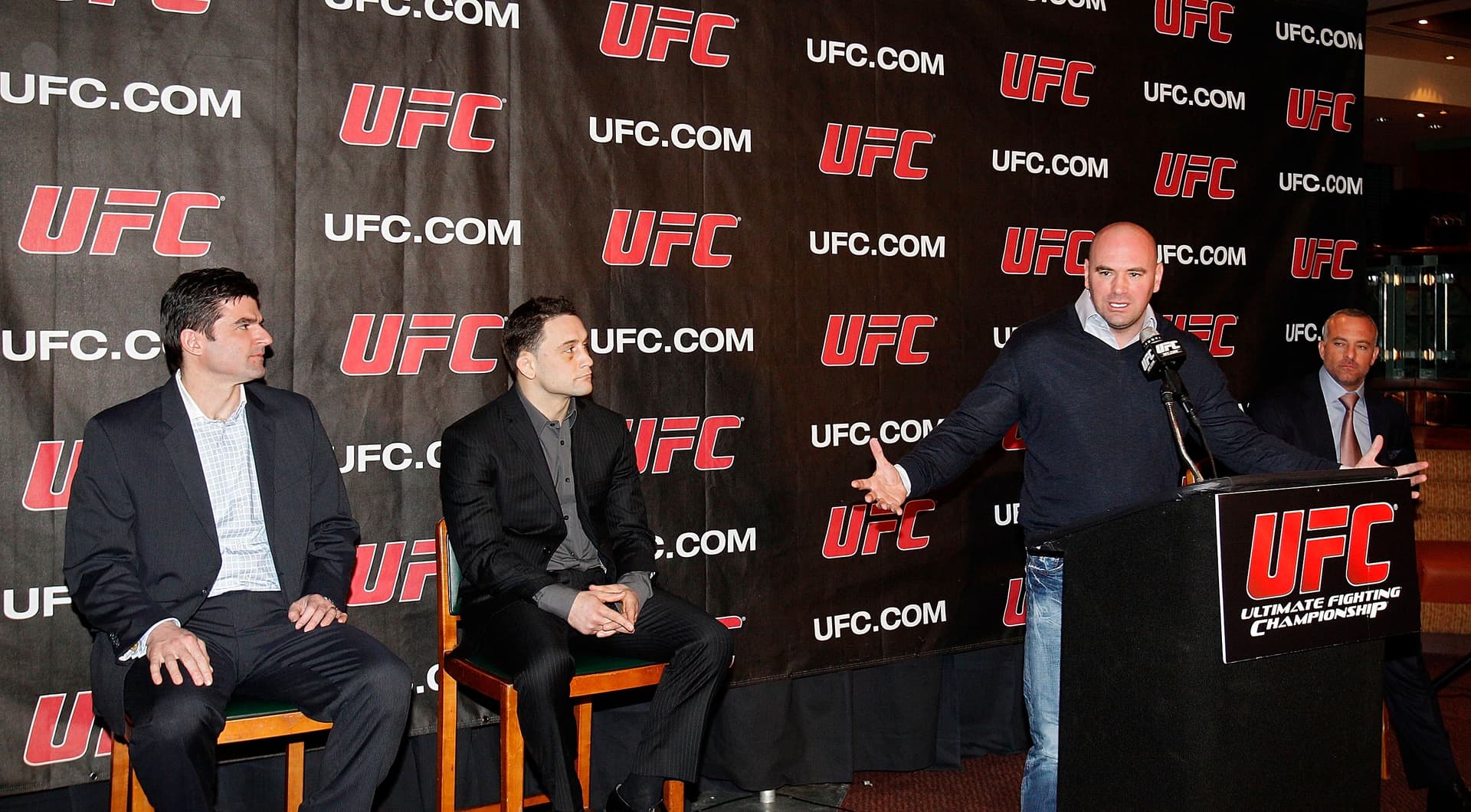
Image Credits: Michael Cohen/Getty Images
The introduction of weight classes and stricter regulations, along with efforts to gain state sanctioning, helped the UFC shed its "human cockfighting" image. Slowly, the sport began to gain mainstream credibility and earned what was at the time a blockbuster broadcasting deal with Spike TV, which also showed the early seasons of The Ultimate Fighter, which also helped grow the sport's popularity. Particularly the exceptional finale between Forrest Griffin and Stephan Bonnar, in what was an all-out war.
Without the New Jersey State Athletic Commission introducing the Unified Rules, you could argue the sport would be nowhere near the levels of where it is today. By the mid 2000's, under a fully regulated and professional ruleset, the UFC became one of the fastest growing sports in the world under the president, White, and the owners, the Fertitta brothers.
And while fighter safety improved, and the popularity improved, fighter pay also began to get better, and all of this had a chain reaction because elite level athletes began to have a goal of fighting in the Ultimate Fighting Championship, as opposed to them wanting to go into boxing.
Fighters like Anderson Silva, Chuck Liddell, Randy Couture and Jon Jones helped grow the sport between the mid 2000's and mid 2010's. And that had a domino effect as some of the biggest names in the sport's history such as Conor McGregor and Khabib Nurmagomedov came through the smaller companies and then took the UFC by storm.
MMA has gone from having a fan base of a few hundred thousand in the very early 2000's to now having approximately over 300 million, in a little over a two decade period.
Comments
0 comments
No comments yet. Be the first to share your thoughts!
Related Resources to MMA
- The Most Famous MMA Fighters in the World
- When Did Dana White Buy the UFC?
- The Real Reason UFC Tickets Are So Expensive
- Does Joe Rogan Still Work for the UFC? Here’s the Latest
- What is the Difference Between MMA & UFC?
- When Was The Last Time Conor McGregor Fought in the UFC?
- What is Grappling in MMA?
- How Many Rounds Are There in the UFC?
- 10 Best UFC Lightweight Fighters of All Time
- Top 10 UFC Commentators Ever
- Who Could UFC Welterweight Champion Belal Muhammad Fight Next?
- The Importance of Weight Cuts in the UFC: Risks and Rewards
- What Is the Bantamweight Division in the UFC?
- Top 10 Richest MMA Fighters in the World
- Starting Late: MMA Fighters Who Made A Big Impact After Joining The Sport Late
- Understanding The UFC Scoring System: A Comprehensive Guide
- How Long Are MMA Rounds?
- Understanding UFC Weight Classes
- Jon Jones' Long-Awaited UFC Return: Controversial Matchup Sparks Debate Over True Challenger
- Top 12 Highest Paid UFC Fights
You might also be interested in

Jake Staniland is a sports writer who excels in covering a wide range of sports: football, combat sports and the NFL - All three subjects are his lifelong passions.
Jake is a boyhood Sheffield United fan, which is often a curse that he thanks his family for. His favourite Blades player ever is Billy Sharp